
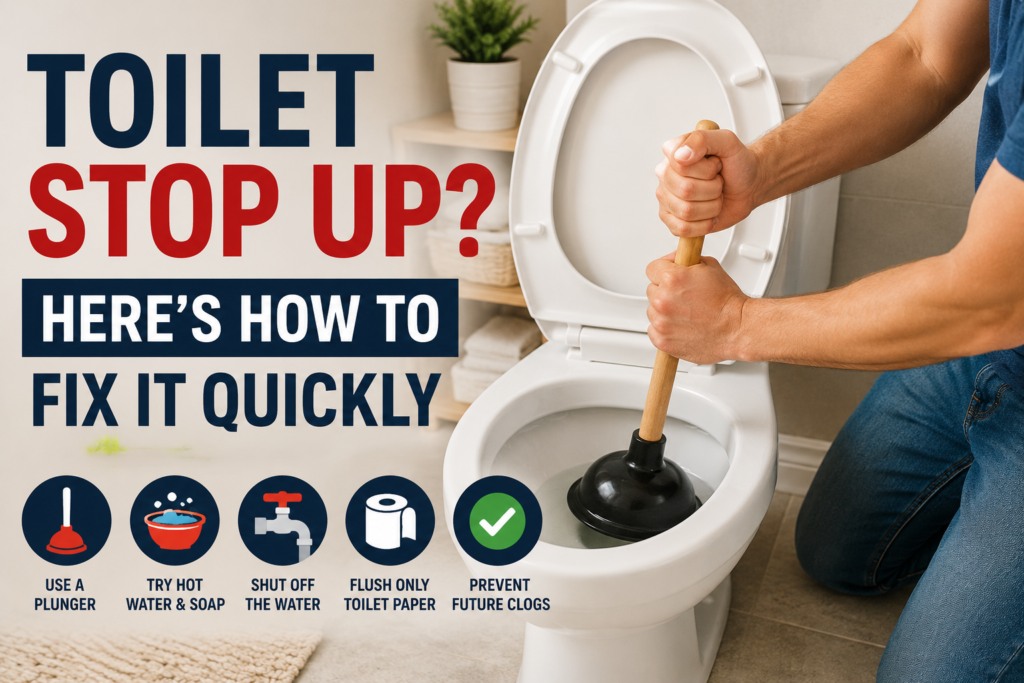
Toilet Stop Up? 10 Common Causes and How to Fix a Clogged Toilet Safely
Toilet Stop Up? Learn how to unclog a toilet, find common causes, avoid damage, and know when to call a plumber.
Have you ever walked into the bathroom, flushed the toilet, and suddenly watched the water rise instead of disappear? It is one of those small household problems that can turn stressful very quickly.
If you are searching “Toilet Stop Up?”, you are probably looking for a simple answer: what caused it, what can you do right now, and how can you prevent it from happening again?
The good news is that most ordinary toilet clogs can be handled without professional help. A plunger, a little patience, and the right technique are often enough. However, there are situations where continuing to plunge or pour products into the toilet can make the problem worse.
This guide walks through the most common reasons a toilet becomes clogged, what to do first, methods you can safely try at home, mistakes to avoid, and warning signs that suggest the problem may be deeper in your plumbing system.
Whether the toilet is draining slowly, completely blocked, or overflowing after a flush, the goal is the same: solve the immediate problem without creating a bigger one.
Toilet Stop Up? Start With One Important Step
Before trying anything, do not flush the toilet again.
This is probably the most important thing you can do when dealing with a blockage. If the bowl is already full or the water level is rising, another flush may send even more water into the bowl and cause an overflow.
If the water is approaching the rim, take a moment to stop the flow.
You can usually prevent additional water from entering the bowl by turning the shutoff valve behind or near the toilet clockwise. If you cannot easily reach the valve, remove the tank lid and lift the float mechanism or close the flapper temporarily.
The immediate goal is simply to prevent an overflowing toilet.
Once the situation is under control, you can determine what kind of blockage you are dealing with.
What Usually Causes a Clogged Toilet?
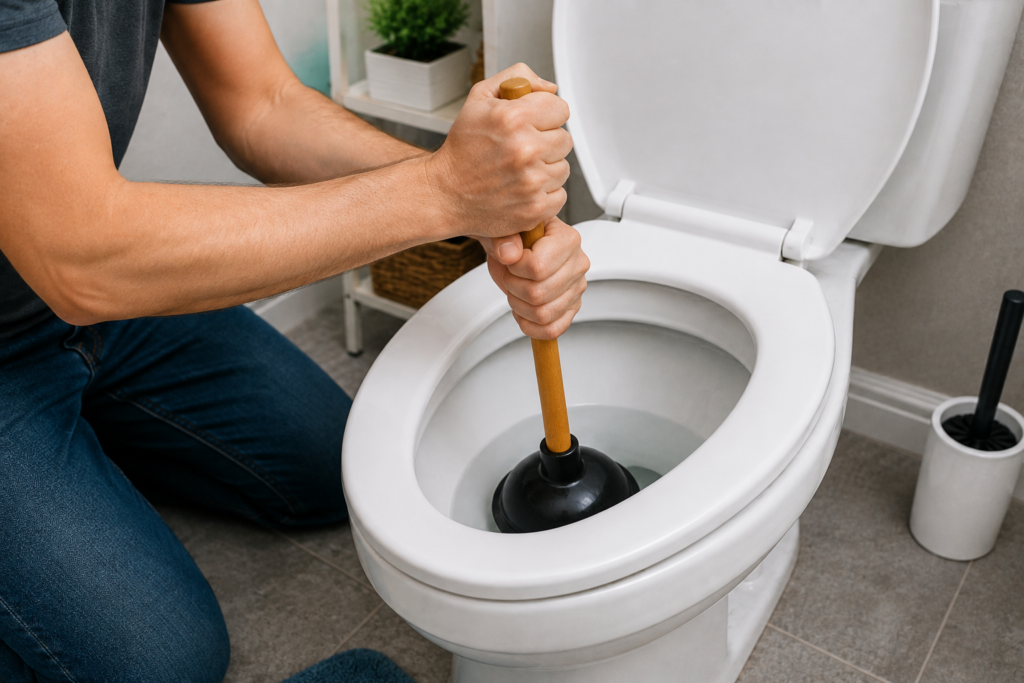
Toilets are designed to handle human waste and toilet paper. Problems generally occur when something blocks the trap inside the toilet or when the drainage pipe cannot carry wastewater away properly.
Here are some of the most common causes.
1. Too Much Toilet Paper
One of the simplest explanations is also one of the most common.
Using a large amount of toilet paper at once can create a dense mass that does not move easily through the toilet’s internal trap.
This is especially likely if the toilet already drains somewhat slowly.
In many cases, excessive toilet paper creates a temporary blockage that can be cleared with a toilet plunger.
2. Flushing Items That Should Go in the Trash
A toilet may look like a convenient disposal system, but it is not designed for many household products.
Items that can cause problems include:
- Paper towels
- Facial tissues
- Baby wipes
- Cleaning wipes
- Cotton balls
- Cotton swabs
- Dental floss
- Feminine hygiene products
- Disposable cleaning pads
- Small toys
- Excessive amounts of thick paper products
Even products marketed as “flushable” can contribute to plumbing problems. Some materials may break apart eventually, but that does not necessarily mean they move through your plumbing as easily as ordinary toilet paper.
If you repeatedly have clogs, think about what is being flushed.
3. A Weak or Incomplete Flush
Sometimes the problem is not a blockage at all.
If the toilet does not flush with enough force, waste and paper may not travel far enough through the drain line. Over time, this can contribute to recurring clogs.
A weak flush can have several causes, including:
- Low water level inside the tank
- A partially closed water supply valve
- Mineral deposits around the rim
- Problems with the flapper
- A faulty fill valve
- An older toilet with limited flushing performance
If the toilet repeatedly struggles to clear the bowl even when there is no obvious blockage, it may be worth investigating the flushing mechanism.
4. A Blockage Inside the Toilet Trap
Every toilet contains a curved internal passage called a trap.
The trap helps prevent sewer gases from entering your home, but its curved design also provides a place where an object can become stuck.
For example, a small toy or other object accidentally dropped into the toilet may become lodged in the trap.
This type of blockage may not respond well to repeated plunging because the object itself does not dissolve.
5. A Blocked Drain Line
Sometimes the toilet is not the real problem.
If wastewater cannot move properly through the home’s drainage system, the toilet may back up even though the toilet itself is functioning normally.
This becomes more suspicious when several fixtures are affected.
For example, you may notice that:
- The bathtub drains slowly.
- The sink makes bubbling or gurgling sounds.
- Another toilet is backing up.
- Water comes up through a shower drain.
- Several drains become slow at approximately the same time.
When multiple fixtures are involved, the blockage may be farther down the drainage system.
Toilet Stop Up? Try a Plunger First
For a normal toilet clog, a good toilet plunger is usually the first tool to try.
However, not all plungers are equally effective.
A flat cup plunger is commonly used for sinks and flat drains. Toilets work better with a flange-style toilet plunger because the extended rubber flange is designed to create a better seal around the toilet drain opening.
How to Plunge a Toilet Properly
First, make sure there is enough water in the bowl to cover the rubber part of the plunger. If the bowl is nearly empty, you may need to add a small amount of water.
Place the plunger directly over the drain opening.
The goal is to create a tight seal.
Do not immediately start pushing as hard as possible. Begin with a gentle push to remove trapped air, then use controlled up-and-down movements.
The pulling motion is particularly important because it helps create suction that can loosen the obstruction.
Continue for approximately 15 to 20 seconds, then remove the plunger and see whether the water begins to drain.
If the water level drops, wait until it is safely low before attempting a test flush.
If it does not work the first time, repeat the process several times.
Avoid frantic or extremely aggressive plunging. You want pressure and suction directed toward the blockage, not water splashing around the bathroom.
Toilet Stop Up? What About Dish Soap and Hot Water?
You may have heard that ordinary dish soap and hot water can help loosen a toilet clog.
There is some logic behind this method, particularly when the blockage consists primarily of toilet paper and organic material.
Dish soap can make surfaces more slippery, while warm water may help soften some materials.
However, there is an important distinction between hot water and boiling water.
Do not pour boiling water into a toilet.
Extremely hot water can potentially damage porcelain or create thermal shock, especially if the porcelain is cold.
If you want to try this method, use warm water rather than boiling water.
Add a modest amount of liquid dish soap to the bowl and allow it to sit for several minutes. Then carefully add warm water, making sure the bowl does not overflow.
This is not a guaranteed solution, and it should not replace plunging when a proper plunger is available. It is simply one gentle method that may help with a relatively soft blockage.
Toilet Stop Up? Should You Use Chemical Drain Cleaner?
This is where many homeowners make a mistake.
It can be tempting to reach for a powerful chemical drain cleaner when the toilet refuses to drain. However, many standard drain-cleaning chemicals are not designed for toilets and can create additional problems.
There are several reasons to be cautious.
First, chemicals may not solve a physical obstruction such as a toy or another solid object.
Second, if you later need to plunge the toilet, chemical residue in the bowl can create a safety hazard.
Third, harsh chemicals can potentially damage plumbing components or surfaces depending on the product and the plumbing system.
For a normal toilet blockage, mechanical methods such as plunging are generally the better starting point.
Always read the manufacturer’s instructions and warnings on any product before using it.
Using a Toilet Auger
If plunging does not solve the problem, a toilet auger can be the next useful tool.
A toilet auger, sometimes called a closet auger, is specifically designed to work through a toilet’s trap.
Unlike a regular drain snake, it is designed to reduce the chance of scratching or damaging the porcelain when used correctly.
The basic process is straightforward.
Insert the auger’s protected end into the toilet drain. Turn the handle according to the manufacturer’s instructions while gradually feeding the cable forward.
When the cable encounters resistance, continue working it carefully rather than forcing it aggressively.
The goal is to break through or retrieve the obstruction.
Once you believe the blockage has cleared, retract the cable and clean the tool according to its instructions.
Then allow the water level to stabilize before testing the toilet.
If you are uncomfortable using an auger, there is no need to force yourself to do it. A plumber can handle this type of obstruction safely.
What If the Toilet Keeps Clogging?
A single clogged toilet is usually not a major mystery.
Repeated clogs are different.
If you have cleared the toilet several times and it keeps becoming blocked, something else may be happening.
One possibility is that an object is partially obstructing the trap.
Another possibility is a problem farther down the drain line.
You should also consider whether the toilet is flushing weakly.
A toilet that does not have enough water or flushing power may appear to work normally but fail to move waste efficiently through the drain.
Mineral buildup can also affect older toilets, especially in areas with hard water.
Take note of how the toilet behaves before it becomes completely clogged.
Does the water swirl slowly?
Does the toilet make a strange gurgling sound?
Does the bowl water rise higher than normal?
Does it drain slowly after every flush?
These clues can help identify whether the problem is simply a temporary clog or something more persistent.
Toilet Stop Up? Check for These Warning Signs
If you are dealing with a blockage and notice additional plumbing symptoms, be careful about continuing to troubleshoot it yourself.
Some warning signs include:
Multiple Drains Backing Up
If the toilet, shower, bathtub, and sinks are all draining poorly, the issue may be in a larger drain line rather than inside the toilet.
Sewage Smell
A persistent sewage odor can indicate a drainage or sewer problem that requires professional attention.
Gurgling Sounds
Gurgling may indicate that air is being displaced because wastewater is not moving normally through the plumbing.
Water Coming Up Somewhere Else
If flushing the toilet causes water to rise in a bathtub or shower drain, stop using the affected fixtures and consider calling a plumber.
The Problem Returns Immediately
If you successfully clear a toilet but it becomes blocked again almost immediately, the obstruction may not actually be gone.
These situations are different from an ordinary one-time toilet clog.
Things You Should Never Flush
One of the easiest ways to reduce future plumbing problems is to be selective about what goes into the toilet.
The safest rule is simple:
Flush human waste and toilet paper.
Everything else should generally be disposed of according to local waste-management recommendations.
In particular, avoid flushing:
- Wipes
- Paper towels
- Tissues
- Cotton products
- Dental floss
- Hair
- Grease
- Food
- Cleaning products
- Feminine hygiene products
- Diapers
- Medication unless specifically instructed otherwise
- Cat litter
- Small household objects
Even when something seems small or harmless, it can become trapped farther down the plumbing system.
How to Prevent Toilet Clogs
Preventing a clog is much easier than dealing with an overflowing toilet.
Start with simple habits.
Use a Reasonable Amount of Toilet Paper
There is no need to use excessive amounts. If more is needed, flushing in reasonable stages may reduce the chance of creating a large mass.
Keep a Wastebasket in the Bathroom
A small bathroom trash can makes it easier for everyone in the household to dispose of items that should not be flushed.
Teach Children What Not to Flush
Children may flush toys, paper, or other objects simply because they are curious.
Make the rule clear: the toilet is not a toy and should not be used as a garbage disposal.
Pay Attention to Slow Drainage
Do not wait until the toilet is completely blocked.
If you notice that it is draining more slowly than usual, investigate the problem early.
Maintain the Toilet
Check that the water level inside the tank is appropriate and that the toilet flushes normally.
If you have an older toilet, periodic maintenance can help identify worn or malfunctioning components before they contribute to larger problems.
Can a Toilet Unclog Itself?
Sometimes a very minor blockage can loosen and eventually move through the drain on its own.
For example, a small amount of excess toilet paper may soften after sitting in water.
But waiting is not always the best strategy.
If the water level is high, do not assume the toilet will magically clear itself. A sudden movement of the blockage could cause the bowl to overflow during a later flush.
If you notice the water level slowly falling, you may have a partial blockage. Even then, it is better to clear the obstruction properly rather than repeatedly flushing and hoping for the best.
What If the Toilet Is Completely Full?
When the bowl is completely full, the first priority is preventing an overflow.
Do not add more water.
Do not flush.
If necessary, turn off the toilet’s water supply.
Give the water some time to settle. If the level decreases naturally, you may have a partial blockage.
Once there is enough room to work safely, use a toilet plunger.
If the bowl remains completely full and the plunger does not help, a toilet auger or professional assistance may be necessary.
The important thing is to avoid turning a clogged toilet into a flooded bathroom.
Toilet Stop Up? Know When to Call a Plumber
There is nothing wrong with trying a basic solution yourself.
A plunger is inexpensive, easy to use, and appropriate for many ordinary toilet clogs.
But there is also a point where professional help makes more sense.
Call a qualified plumber if:
- The toilet repeatedly becomes clogged.
- Several drains are backing up.
- Sewage is coming into the home.
- You suspect a sewer-line blockage.
- A solid object is stuck and cannot be removed.
- The toilet continues overflowing.
- You hear unusual plumbing noises throughout the house.
- DIY attempts have not solved the problem.
- You are concerned about damaging the plumbing.
A professional can inspect the drainage system and determine whether the problem is inside the toilet, in the branch drain, or farther down the main sewer line.
Common Mistakes People Make With a Clogged Toilet
When people panic, they often make the problem worse.
Here are some mistakes worth avoiding.
Repeatedly Flushing
This is probably the biggest mistake.
If the water is already rising, another flush can cause an overflow.
Using the Wrong Plunger
A sink plunger may not create the right seal around a toilet drain.
Use a flange-style toilet plunger whenever possible.
Pouring Boiling Water Into the Bowl
Very hot water is not necessary and can potentially damage porcelain.
Use warm water if you are trying a warm-water method.
Mixing Cleaning Chemicals
Never mix different cleaning products unless the manufacturer explicitly states that they are compatible.
Chemical reactions can produce dangerous fumes.
Using Excessive Force
Aggressive plunging or forcing a tool into the toilet can potentially damage components.
Controlled pressure is usually more effective.
Ignoring Recurring Problems
If the toilet clogs every few days or weeks, simply clearing it each time is not a real solution.
There may be an underlying drainage problem.
A Simple Decision Guide
If you are standing in the bathroom wondering what to do next, keep it simple.
Water rising? Stop flushing and shut off the water supply.
Water level stable but toilet is blocked? Try a flange toilet plunger.
Plunger does not work? Consider a toilet auger if you are comfortable using one.
Multiple fixtures affected? Suspect a larger drainage problem.
Problem keeps returning? Investigate the underlying cause rather than repeatedly clearing the symptom.
Sewage backup or serious overflow? Stop using the affected plumbing and contact a professional.
This approach prevents most people from making the situation worse.
Toilet Stop Up? Here’s the Bottom Line
If you searched “Toilet Stop Up?”, the first thing to remember is not to panic.
A clogged toilet is one of the most common household plumbing problems, and many simple blockages can be handled with a proper toilet plunger.
Start by preventing an overflow. Do not flush repeatedly when the bowl is already full. Give the water level time to settle, then create a good seal with a flange-style plunger and use controlled plunging motions.
If that does not work, a toilet auger may help with a deeper obstruction.
Be cautious with chemical drain cleaners, never pour boiling water into the toilet, and avoid flushing anything that does not belong there.
Most importantly, pay attention to recurring symptoms. A toilet that repeatedly clogs, gurgles, drains slowly, or causes other fixtures to back up may be giving you a warning about a larger plumbing problem.
A little prevention can also go a long way. Flush only appropriate materials, avoid excessive toilet paper, keep children from putting objects in the toilet, and deal with slow drainage before it becomes a complete blockage.
The next time you think, “Toilet Stop Up?”, remember that the safest solution is usually the simplest one: stop the water, assess the situation, try a proper plunger, and know when the problem has moved beyond a basic DIY fix.
Frequently Asked Questions
Why does my toilet keep clogging?
Repeated clogs can be caused by excessive toilet paper, objects stuck in the trap, weak flushing performance, mineral buildup, or a blockage farther down the drain line. If the problem happens regularly, it is worth investigating instead of simply plunging the toilet every time.
Can I use dish soap to unclog a toilet?
Dish soap may help loosen a relatively soft blockage, particularly when toilet paper is involved. It is not a guaranteed solution, though. A proper toilet plunger is usually the better first choice.
Is boiling water safe for a toilet?
It is better to avoid boiling water. Extremely hot water can potentially damage porcelain. If you choose to try a warm-water method, use warm rather than boiling water.
Should I use a chemical drain cleaner?
Chemical drain cleaners are generally not the first choice for a clogged toilet. They may not work on solid objects and can create additional safety concerns, particularly if you later need to plunge the toilet.
What is the best plunger for a toilet?
A flange-style toilet plunger is generally better suited to toilets than a flat cup plunger because its shape is designed to create a seal around the toilet drain.
Why does my toilet gurgle when I flush?
Gurgling can occur when air is being displaced within the drainage system. If the sound happens regularly or occurs along with slow drains or backups, there may be a larger drainage problem.
Why does my toilet clog when I flush?
The toilet may be dealing with a blockage in its trap or drain line, excessive toilet paper, a weak flush, or an object that should not have been flushed. The exact cause depends on what happens to the water immediately after flushing.
Can a toilet clog cause a sewage backup?
Yes. A blockage in a drain or sewer line can prevent wastewater from leaving the home normally. If multiple fixtures begin backing up or wastewater appears in a bathtub or shower, professional assistance may be necessary.
How can I prevent toilet clogs?
Use a reasonable amount of toilet paper, never flush household objects or inappropriate materials, keep a bathroom trash can available, and pay attention to slow or unusual drainage. Early attention can prevent a minor issue from becoming a major blockage.
When should I stop trying to fix the toilet myself?
Stop DIY attempts if the toilet repeatedly clogs, several drains are affected, sewage is backing up, a solid object is stuck, or basic plunging does not solve the problem. A qualified plumber can determine whether the issue is inside the toilet or farther into the drainage system.
Final Thoughts
A clogged toilet is inconvenient, but it does not automatically mean you have a major plumbing emergency.
The key is to respond calmly and avoid the mistakes that turn a simple blockage into an overflowing bathroom.
If you remember only a few things from this guide, remember these: do not repeatedly flush a toilet that is already backing up, use a proper toilet plunger, avoid boiling water and inappropriate chemicals, and take recurring clogs seriously.
And if you ever find yourself searching “Toilet Stop Up?”, start with the basics. Stop the water, assess the symptoms, work through the safest solution, and call a professional when the signs point to a deeper plumbing problem.
Sometimes the best home maintenance advice is not about having complicated tools or knowing everything about plumbing. It is simply knowing what to do first—and knowing when to stop before a small problem becomes a much bigger one.