
Washing Machine Leaking Water? 12 Common Causes and How to Fix It
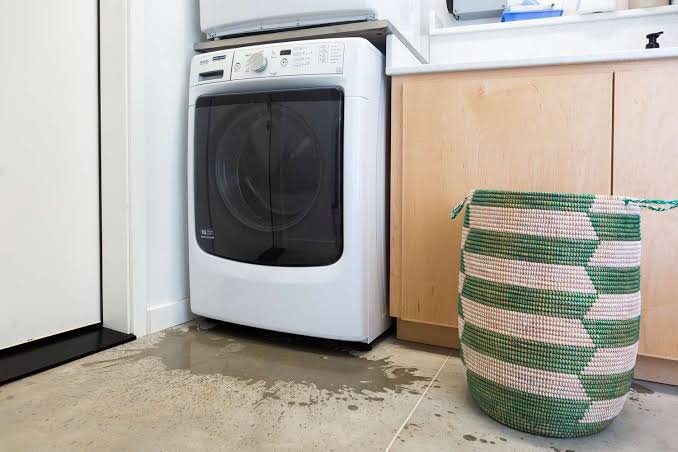
Is your washing machine leaking water onto the floor? Find out what may be causing the leak, how to identify where it is coming from, what you can safely check yourself, and when professional help is needed.
Have you walked into your laundry room and found a puddle of water underneath your washer? If so, you’re probably wondering what went wrong and whether you’re dealing with a simple loose hose or a much more serious problem.
A Washing Machine Leaking Water? situation can be frustrating, especially when you have a load of laundry waiting to be finished. The good news is that not every washing machine leak means you need a new appliance. Many leaks are caused by relatively simple problems such as a loose hose connection, an overloaded drum, too much detergent, a clogged dispenser, or debris trapped around the door seal.
The first thing to remember is not to ignore the water. Even a small leak can eventually damage flooring, walls, cabinets, or the area underneath the appliance.
In this guide, we’ll walk through the most common reasons a washing machine leaks, explain how to figure out where the water is coming from, and cover the basic checks you can safely perform before deciding whether you need professional assistance.
First: What to Do When You Notice a Leak
Before trying to diagnose anything, deal with the immediate water problem.
If water is actively leaking, stop the washing machine and, if you can do so safely, turn off the water supply valves behind the appliance. Clean up standing water to prevent slips and minimize the chance of water damage.
If the area around the washer or its electrical connection is wet, don’t reach into standing water or handle electrical connections while wet. Follow your appliance manufacturer’s safety instructions and have a qualified professional handle the situation if there is any risk of electrical contact.
Once the immediate situation is under control, try to determine where the water is coming from.
Look around:
- The front door
- The detergent drawer
- The back of the washer
- The drain hose
- The water inlet hoses
- The drain pump filter or access area
- Underneath the appliance
- The household drain
Where you find the water can provide a surprisingly useful clue.
Washing Machine Leaking Water? Start by Finding the Source
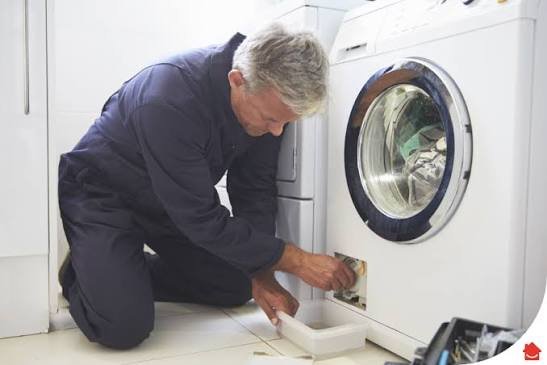
One of the biggest mistakes people make is immediately assuming the washing machine itself is broken.
Sometimes the appliance isn’t actually the source.
For example, water behind the washer could be coming from a loose inlet connection. Water near the drain could be caused by a drain hose or a household drain that is backing up. Water at the front of a front-load washer could be related to the door seal or detergent drawer.
Manufacturers commonly recommend identifying the location of the leak before deciding what to do next.
If possible, observe when the leak happens.
Does water appear:
- Immediately when the machine starts filling?
- During the wash cycle?
- When the washer drains?
- During the spin cycle?
- Only after the cycle finishes?
- Even when the washer isn’t running?
That timing can help narrow down the cause.
1. A Loose or Damaged Water Inlet Hose
One of the first things to inspect when a washing machine leaks is the water supply hose.
The inlet hoses connect the washer to the household water supply. If a connection becomes loose, a rubber washer is damaged or missing, or the hose develops a crack, water can escape.
This is especially worth checking if you notice water behind the appliance.
What to check
Turn off the water supply before inspecting the connections.
Look for:
- Loose connections
- Cracked hoses
- Bulges in the hose
- Damaged rubber washers
- Water around the faucet connection
- Water around the connection at the washer
Don’t assume that a connection needs to be tightened as much as possible. Over-tightening can damage components or connections.
Manufacturer troubleshooting guidance commonly identifies loose, damaged, or incorrectly connected inlet hoses as a major source of leaks.
If the hose is visibly damaged, replacement is generally the appropriate solution rather than trying to patch it.
2. The Drain Hose Is Loose, Damaged, or Misplaced
If the leak happens primarily when the washing machine is draining, the drain hose deserves your attention.
The drain hose carries used water from the washer to the household drain. If it is loose, damaged, disconnected, or incorrectly positioned, water may end up on the floor.
You may also have a household drainage problem rather than a washing machine problem.
For example, if the drainpipe cannot handle the water being discharged, water may back up and overflow around the drain.
Signs of a drain-related problem
You may notice:
- Water appearing during the drain cycle
- A puddle behind the washer
- Water coming from the drainpipe
- Gurgling sounds
- Water backing up around the household drain
LG and other manufacturers specifically recommend checking the drain hose and household drain when a leak occurs during draining.
If the household drain itself is backing up, fixing the washing machine may not solve the underlying problem.
3. The Door Seal Is Dirty or Damaged
For front-load washing machines, the rubber door gasket creates a seal between the door and the washer.
Over time, lint, hair, detergent residue, small pieces of clothing, and other debris can accumulate around the gasket.
That buildup can prevent the door from sealing correctly.
A damaged gasket can cause the same problem.
Inspect the rubber seal carefully for:
- Tears
- Cracks
- Holes
- Objects trapped inside
- Heavy detergent buildup
- Hair or lint
- Dirt around the sealing surface
Whirlpool and Bosch both identify debris, dirt, and damage around the door seal as potential causes of front-door leaks.
If the seal is simply dirty, cleaning it according to the manufacturer’s instructions may solve the problem.
If it is torn or damaged, however, it generally needs to be replaced.
Don’t continue using a washer with a visibly damaged door gasket and assume the problem will disappear.
4. The Washing Machine Is Overloaded
It’s tempting to fill the washing machine as much as possible to get more laundry done in fewer loads.
Unfortunately, overloading can contribute to problems.
A drum packed with clothing may not allow laundry to move properly. Depending on the machine and circumstances, an overloaded load can contribute to water escaping around the door seal or create an unbalanced load.
Large items such as comforters, blankets, and bulky towels deserve particular attention because they can behave differently from ordinary clothing.
If you’ve noticed that the washer only leaks when you wash large or heavily packed loads, try running an appropriately sized load and see whether the problem continues.
Whirlpool and Electrolux both list overloading among the conditions that can contribute to leaking.
Always follow the loading recommendations in your washer’s manual.
5. Too Much Detergent Can Cause Problems
More detergent does not necessarily mean cleaner clothes.
In fact, using more detergent than recommended can create excessive suds.
Those suds can interfere with normal water management inside the appliance and may contribute to leaks, particularly around the dispenser area.
This can be especially relevant with high-efficiency washing machines, which are designed to use relatively small amounts of water.
If you’ve recently changed detergents or started using more detergent than usual and then noticed a leak, that’s worth considering.
Check the detergent packaging and your washing machine manual for the recommended amount.
Electrolux, Bosch, and Whirlpool all identify excessive detergent or excessive sudsing as a potential contributor to washing machine leaks.
6. The Detergent Drawer Is Clogged
Is water coming from the detergent drawer?
A dirty or clogged dispenser could be responsible.
Detergent residue, fabric softener buildup, and mineral deposits can accumulate inside the drawer and the channels behind it.
When water enters the dispenser, it needs to flow through these passages correctly. If something is blocked, water can overflow instead of entering the washer normally.
What you can do
Remove the detergent drawer if your appliance is designed for the drawer to be removed.
Clean:
- Detergent compartments
- Fabric softener compartments
- Visible residue
- Mineral deposits
- The accessible area around the dispenser
Follow the cleaning instructions in your owner’s manual because drawer designs differ between machines.
A clogged dispenser is a common troubleshooting point identified by manufacturers when water is coming from the front or detergent drawer area.
7. The Drain Pump Filter Is Dirty or Not Properly Fitted
Some front-load washers have a drain pump filter that collects lint, coins, hair, and other small objects.
If the filter becomes clogged, incorrectly installed, or isn’t properly sealed after cleaning, water may leak from the access area.
This is one reason you shouldn’t simply open a filter without first checking your owner’s manual.
There may be residual water inside the machine.
If your model has an accessible pump filter, follow the manufacturer’s exact instructions for draining and cleaning it.
Whirlpool specifically notes that a clogged drain pump filter can contribute to leaking during the drain cycle on some front-load models.
8. The Washer Isn’t Level
A washing machine that isn’t sitting level can shake, vibrate, and become unstable during operation.
An uneven appliance may also contribute to problems around the door seal on some models.
Check whether the washer rocks when you gently push it.
If it moves significantly, the leveling feet may need adjustment.
However, don’t assume that leveling will fix every leak. If water continues to appear, continue looking for the actual source.
Siemens and Whirlpool both include proper leveling among their troubleshooting considerations for leaking washers.
9. Something Is Trapped Between the Door and the Seal
Sometimes the gasket itself isn’t damaged.
Instead, a small object is preventing a proper seal.
A sock, piece of fabric, pet hair, lint, or another small item can become trapped around the door gasket.
Before starting another cycle, inspect the entire sealing surface.
Pay particular attention to the folds of the rubber gasket.
Whirlpool recommends checking for items caught in or under the door seal because they can interfere with proper sealing.
10. The Washer Is Leaking From Underneath
A leak underneath the appliance can be more difficult to diagnose.
If you’ve already checked the visible hoses, door, dispenser, and filter and can’t find the source, water may be coming from an internal component.
Potential causes can include:
- Internal hoses
- Pumps
- Valves
- Seals
- Internal connections
- Other components inside the cabinet
At this point, it’s generally better not to start disassembling the appliance unless you’re qualified and have the correct service documentation.
Electrolux and Zanussi both note that persistent leaks from inside the appliance can indicate problems with internal hoses, pumps, valves, or other components requiring service.
11. The Water Inlet Valve May Be Damaged
The water inlet valve controls water entering the washing machine.
If the valve or its connections are damaged, water may leak from the rear area of the appliance.
This isn’t necessarily something you should attempt to repair yourself.
If you’ve ruled out the external hose and its connections but still see water entering or leaking around the back of the machine, the inlet valve may need professional inspection.
Whirlpool and other manufacturer troubleshooting materials identify the inlet valve and its connections as possible sources of leaks.
12. An Internal Pump or Hose Could Be Failing
If your Washing Machine Leaking Water? problem continues despite checking the obvious external causes, an internal component may be involved.
The drain pump is responsible for removing water from the machine.
Internal hoses also carry water between different components.
A damaged internal hose or failing pump can result in water underneath the machine, particularly during specific stages of the cycle.
Because accessing these components usually requires opening the appliance cabinet, this is a situation where professional service is often the safer choice.
Washing Machine Leaking Water? Use the Timing to Find the Cause
Another useful troubleshooting technique is to pay attention to when the leak happens.
If it leaks while filling
Check:
- Water inlet hoses
- Faucet connections
- Inlet valve area
- Detergent dispenser
- Excessive water flow or pressure
If it leaks during washing
Check:
- Door gasket
- Door seal
- Overloading
- Excessive detergent
- Internal components
If it leaks while draining
Check:
- Drain hose
- Household drain
- Pump filter
- Drain pump
- Connections around the drain system
If it leaks during spinning
Check:
- Door seal
- Load size
- Washer level
- Internal components
- Whether the leak also occurs during other parts of the cycle
If it leaks even when the washer is turned off
This is particularly important.
If water continues entering the machine or appearing while it is not running, shut off the water supply and investigate the supply side.
A leak that occurs when the machine is not actively running may point toward the water supply, inlet connection, or inlet valve rather than the drain system.
Front-Load vs. Top-Load Washing Machine Leaks
The design of your washer matters.
Front-load washers
Front-load machines have a large door gasket that can become dirty, damaged, or obstructed.
Common areas to inspect include:
- Door gasket
- Door glass
- Detergent drawer
- Drain filter
- Inlet hoses
- Drain hose
Top-load washers
Top-load machines don’t have the same front-door gasket, so the troubleshooting process can be different.
Potential sources include:
- Inlet hoses
- Drain hose
- Tub area
- Dispenser
- Internal hoses
- Overloading
- Water entering where it shouldn’t
If you have a top-load washer, consult the manual for your exact model before attempting any internal troubleshooting.
How to Prevent Your Washing Machine From Leaking
Once you’ve fixed a leak, prevention is worth a little effort.
1. Don’t overload the washer
Give clothes enough room to move.
2. Use the correct amount of detergent
Follow both the detergent manufacturer’s instructions and the washing machine manufacturer’s recommendations.
3. Inspect hoses periodically
Look for cracking, bulging, discoloration, or other visible damage.
4. Keep the door gasket clean
For front-load machines, regularly remove lint, hair, and residue.
5. Clean the detergent dispenser
Don’t allow detergent and fabric softener residue to accumulate.
6. Check the drain system
Make sure the drain hose is properly positioned and secured according to the installation instructions.
7. Keep the washer level
An unstable appliance can move excessively during operation.
8. Don’t ignore small leaks
A tiny puddle today can become a much bigger problem later.
Should You Repair the Washer Yourself?
It depends on the problem.
Some basic maintenance tasks are reasonable for a homeowner when the manufacturer’s instructions allow them.
For example:
- Cleaning a detergent drawer
- Cleaning visible debris from a door gasket
- Checking an external hose for visible damage
- Checking whether a connection is loose
- Cleaning an accessible filter according to the manual
More complicated repairs are different.
If you need to:
- Open the appliance cabinet
- Work around electrical components
- Replace an internal pump
- Replace internal wiring
- Diagnose a control board
- Access internal valves or hoses
professional service may be the better option.
A washing machine combines water and electricity, so it’s not a good appliance to experiment on if you don’t know exactly what you’re doing.
When Should You Stop Using the Washing Machine?
There are situations where continuing to run the appliance isn’t worth the risk.
Stop using it and arrange professional assistance if:
- The leak is large
- Water is reaching electrical connections
- You smell burning
- You see damaged electrical wiring
- The appliance is producing unusual electrical sounds
- Water is coming from inside the cabinet
- A hose is badly damaged
- The door gasket is torn
- The washer continues leaking after basic checks
- You cannot identify the source of the leak
A small, obvious external issue is very different from a persistent internal leak.
When in doubt, prioritize safety.
Washing Machine Leaking Water? Here’s a Simple Troubleshooting Checklist
If you’re standing in front of a leaking washer right now, don’t feel like you have to figure everything out at once.
Work through this list:
Step 1: Stop the washing machine.
Step 2: If safe, turn off the water supply.
Step 3: Clean up standing water.
Step 4: Identify where the water first appears.
Step 5: Check the inlet hoses.
Step 6: Check the drain hose.
Step 7: Inspect the door gasket if you have a front-load washer.
Step 8: Check for clothing or debris trapped around the gasket.
Step 9: Check the detergent drawer.
Step 10: Consider whether you used too much detergent.
Step 11: Check whether the washer is overloaded.
Step 12: Check the drain filter if your model has one and the owner’s manual provides instructions.
Step 13: Run only the manufacturer’s recommended diagnostic or test procedure.
Step 14: If the leak continues, arrange professional service.
This approach is much more useful than randomly replacing parts.
Frequently Asked Questions
Why is my washing machine leaking water from the bottom?
A washing machine leaking water from underneath can have several possible causes. The source could be a drain hose, inlet hose, pump filter, internal hose, pump, valve, or another internal component. Start by determining whether the water appears during filling, washing, or draining.
Why is my front-load washing machine leaking from the door?
The door gasket may be dirty, obstructed, damaged, or not sealing correctly. Check for lint, hair, clothing, detergent residue, and tears in the rubber seal. Overloading the machine can also contribute to door-related leaks.
Can too much detergent make a washing machine leak?
Yes. Excess detergent can produce excessive suds, which may contribute to leaking or overflow problems in some washing machines. Follow the detergent dosage recommended for your appliance.
Why is my washing machine leaking from the back?
A leak from the back may come from an inlet hose, drain hose, faucet connection, drain connection, or another component located toward the rear of the machine. Check the external hoses and connections first, but avoid opening the appliance if you aren’t qualified to do so.
Why does my washer only leak during the drain cycle?
If the leak appears specifically while draining, inspect the drain hose, household drain, drain filter, and drain pump area. A blocked household drain can also cause water to back up.
Can an overloaded washing machine cause a leak?
It can contribute to leaking in some circumstances, particularly with front-load machines where excessive loading may affect the door seal. Follow the load-size recommendations for your specific appliance.
How do I know if the washing machine hose is bad?
Look for cracks, bulges, splits, deterioration, or water around the connections. If the hose is visibly damaged, replacement is generally safer than trying to repair it.
Should I keep using a washing machine that leaks a little?
It’s better not to ignore a leak. A small leak can worsen and cause water damage. If you cannot identify and safely correct the cause, stop using the washer and seek professional assistance.
Can a clogged detergent drawer cause water to leak?
Yes. Detergent residue, fabric softener buildup, and mineral deposits can interfere with the water flow through the dispenser and cause water to escape from the drawer area.
Can a dirty washing machine door seal cause leaking?
Yes. Dirt, lint, hair, and detergent residue can prevent the door from sealing properly. Cleaning the gasket and the contact area can help when the seal itself isn’t damaged.
Final Thoughts
A Washing Machine Leaking Water? problem can look much worse than it actually is. Before assuming that the entire appliance has failed, take a few minutes to identify where the water is coming from and when the leak occurs.
Start with the simplest possibilities: check the external hoses, drain hose, door gasket, detergent drawer, load size, detergent usage, and accessible filter area.
If you find a loose connection or dirty dispenser, the solution may be straightforward. If you find a cracked hose, torn gasket, or persistent internal leak, the appliance may need a replacement part or professional service.
The most important thing is not to keep running the machine while water is leaking without knowing why. Water damage can become expensive, and working around an appliance that combines water and electricity can create unnecessary safety risks.
So if you are dealing with a Washing Machine Leaking Water? problem right now, don’t panic. Start by finding the source, work through the basic checks one at a time, and stop when the problem requires expertise beyond what you can safely handle.
A little careful troubleshooting can often tell you whether you’re dealing with a simple maintenance issue or a problem that deserves professional attention.
Quick Reference: Common Washing Machine Leak Causes
| Where the water appears | Possible cause |
|---|---|
| Behind the washer | Inlet hose, drain hose, faucet or connection |
| Around the front door | Door gasket, debris, overloading |
| Detergent drawer | Clogged dispenser or excessive detergent |
| During draining | Drain hose, filter, pump or household drain |
| Underneath the washer | Internal hose, pump, valve or other component |
| During filling | Inlet hose, connection, valve or dispenser |
| During spinning | Load imbalance, door seal or internal problem |
| Even when turned off | Water supply or inlet-side problem |
Remember: Always consult your washing machine’s owner’s manual for model-specific instructions before cleaning filters, disconnecting hoses, or performing maintenance.